
Outdoor Product Development Support in China
We coordinate product development, prototyping, supplier selection,
and production preparation to help bring your outdoor product ideas to life in China.
From Product Concept to Production-Ready Requirements
Outdoor product development is the process of turning a product idea or market demand into a product that can be manufactured, tested, and sold.
It involves more than product appearance. Product use, packaging, and target market requirements also need to be considered.
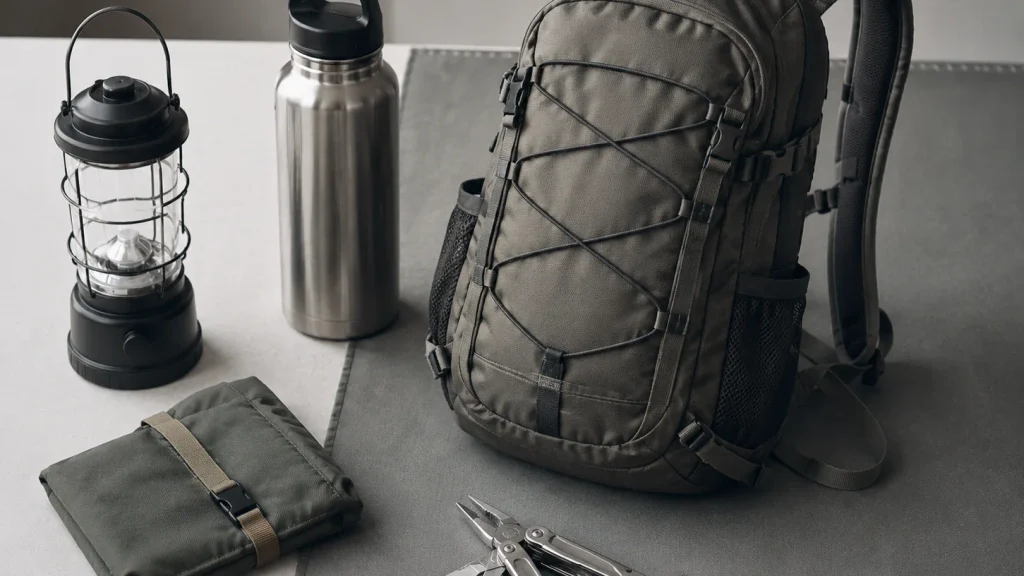
For products such as backpacks, camping furniture, and outdoor accessories, both the intended use and manufacturing feasibility need to be considered during development. For example, how much weight the product needs to support, whether it needs to be waterproof or abrasion-resistant, and whether the supplier has the right production capabilities.
Outdoor products often involve multiple materials and manufacturing processes. A backpack, for example, may use coated fabrics, webbing, zippers, and buckles, and require cutting, sewing, and assembly.
JingtuOutdoor helps your team connect with suitable suppliers in China, follow up on samples and production details, and move new product projects into production.
A Clear Product Development Process
Product development can stall when requirements change, feedback gets lost, or suppliers work from different versions. We help keep specifications, revisions, and approvals aligned throughout the project.

01 Define Your Product Requirements
We begin by reviewing your product concept, intended use, target market, dimensions, materials, functions, target quantity, budget, and expected timeline. Missing information and unclear requirements are identified before supplier sourcing begins.
We also clarify which features are essential and which details remain flexible. Reference products, sketches, existing samples, and performance expectations can help suppliers better understand the project and provide more relevant feedback on materials, construction, feasibility, and estimated costs.
02 Match Suppliers and Review Feasibility
Based on the confirmed requirements, we identify suitable suppliers and compare their capabilities, relevant experience, production methods, MOQs, estimated costs, and lead times. We also review material and construction options to identify potential risks before sampling.
The comparison is not based on price alone. We consider whether each supplier can work with the required materials, construction details, sample revisions, and expected order quantity. Where different options involve trade-offs in cost, performance, or lead time, we communicate the differences before moving forward.

03 Develop and Refine the Prototype
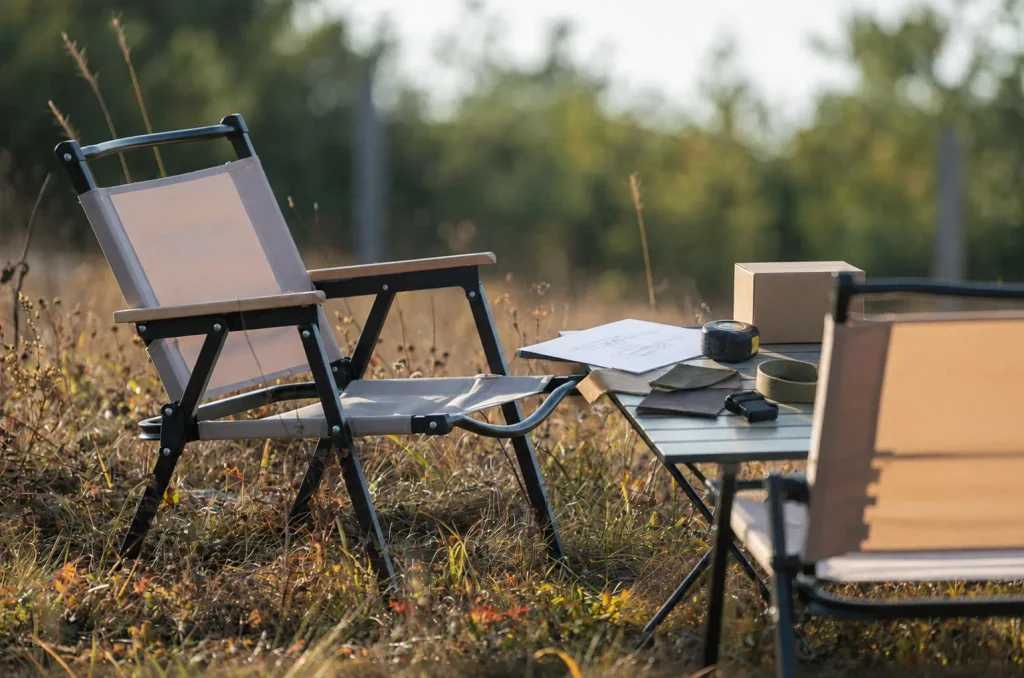
Once the specifications are confirmed, we coordinate prototype development with the selected supplier. We follow up on materials, dimensions, construction, finishes, and functional details, then communicate sample feedback and required revisions before approval for mass production. The camping chair development process illustrates how these steps continue through testing, pilot production, and mass-production control.
The prototype is reviewed against the intended use and agreed product requirements, not appearance alone. Revision comments are organized by item so the supplier can understand what needs to change. If the supplier proposes an alternative material, component, or construction method, we clarify the differences before the next sample is produced.
04 Confirm the Production Reference
After the sample revisions are complete, we help confirm the approved sample, latest specifications, materials, construction, branding and packaging, and agreed quality requirements as the reference for production. This helps keep your team and the supplier aligned before mass production begins.
Both the physical sample and the latest confirmed product information should remain consistent. If any material, component, dimension, branding, or packaging detail changes after approval, the change should be documented and reconfirmed before production. This reduces the risk of the supplier following an outdated sample or an earlier version of the requirements.

Key Details to Confirm During Development
Outdoor products often involve different materials, components, and construction methods. During sampling, we help your team and the supplier keep important product details clear and consistent.
• Materials and Components — Confirm fabrics, coatings, zippers, buckles, webbing, hardware, and other key components.
• Size and Construction — Confirm dimensions, overall structure, seams, attachment points, and other details that affect production.
• Function and Use — Review how the product will be carried, packed, stored, opened, and used in its intended environment.
• Appearance and Branding — Confirm colors, logo placement, printing or labeling methods, and other appearance requirements.
• Packaging Requirements — Confirm labels, individual packaging, carton packing, and other packaging details before production.
Frequently Asked Questions
Yes. You can begin with a written concept, sketches, reference images, an existing sample, or partial specifications. We help organize the available information, identify missing requirements, and communicate the project clearly to suitable suppliers.
No. You can start with a product description, sketches, reference images, an existing sample, or partial specifications. Detailed technical files can help suppliers evaluate the project, but they are not required for the initial discussion.
The number of revisions depends on the product’s complexity, materials, construction, and the differences identified during sample review. Simple modifications may require fewer rounds, while a new or highly customized product may require several revisions before approval.
We discuss the proposed materials, construction, dimensions, functions, components, target quantity, and expected cost with suitable suppliers. Supplier feedback and sample reviews help identify production limitations and possible changes before mass production.
A sample is ready when its materials, dimensions, construction, function, appearance, branding, and other agreed details have been reviewed and approved. The approved sample and latest confirmed specifications then serve as the production reference.
JingtuOutdoor focuses on supplier coordination, requirement clarification, sampling follow-up, and development communication in China. Projects requiring industrial design, CAD drawings, mold engineering, laboratory testing, or certification are reviewed separately and may involve suitable specialist providers.
Ready to Develop Your Next Outdoor Product?
Share your product concept, target quantity, budget, and market requirements. We’ll help you assess the next steps.